


How to Tell If Your Home Is Ready for an EV Charger Installation in Libertyville, IL
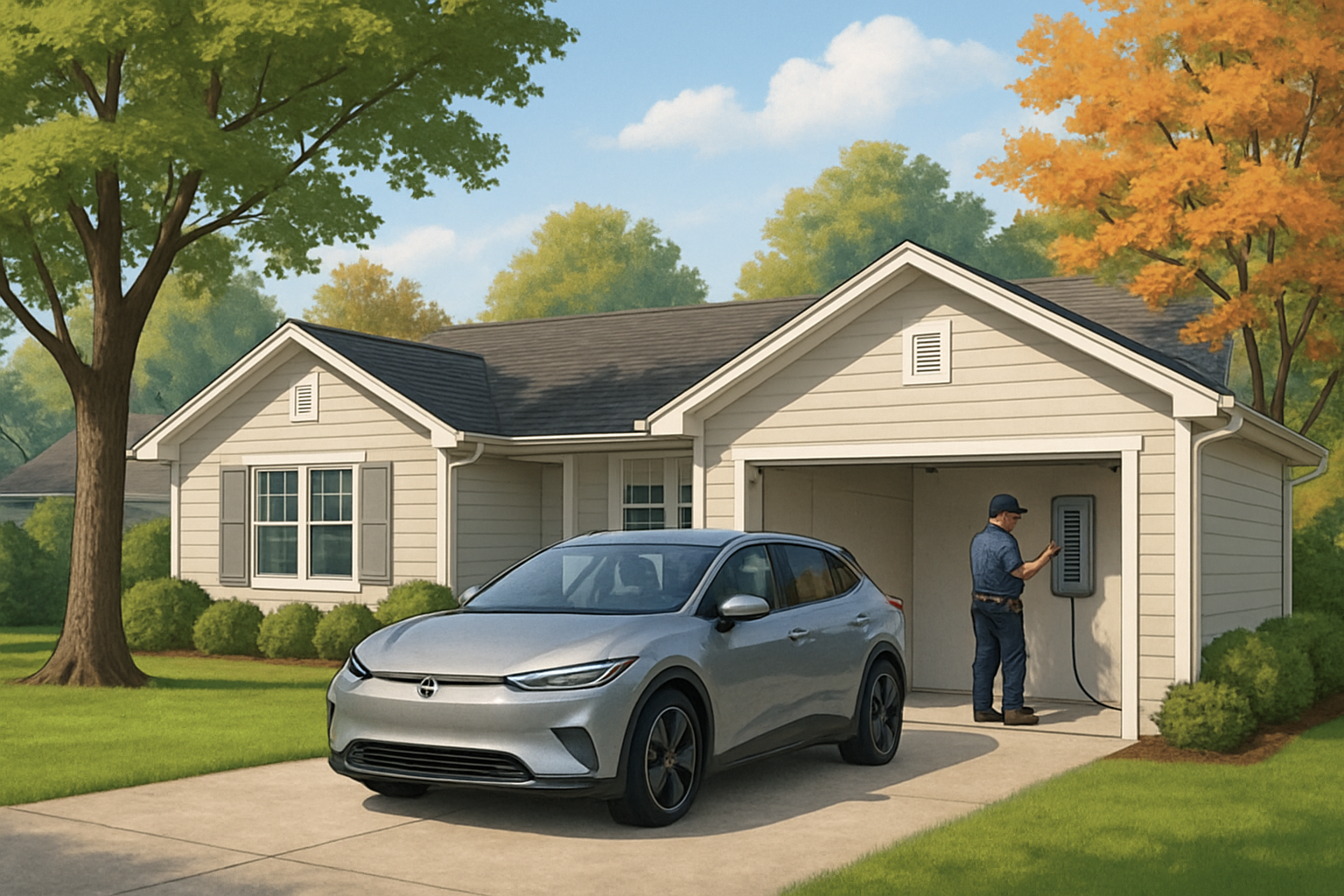
September in Libertyville is a great time to think ahead. The weather is usually mild, the summer heat is fading, and winter is close enough that smart homeowners are preparing now. If you have recently purchased an electric vehicle—or you are planning to buy one soon—one of the best upgrades you can make is installing a dedicated home EV charger.
At Scott Nelson Electric Inc, we help homeowners throughout Libertyville and the surrounding Lake County area determine whether their electrical system is ready for an EV charger installation. A home charging station can make EV ownership more convenient, more affordable, and more reliable, but it needs to be installed safely and correctly.
Before you plug into the future, here is how to tell whether your home is ready.
Key Takeaways:
- Check your electrical panel capacity before installing a Level 2 EV charger.
- September is an ideal time in Libertyville to schedule electrical upgrades before cold weather arrives.
- A professional EV charger installation helps protect your home, your vehicle, and your electrical system.
- Scott Nelson Electric Inc provides experienced, local service tailored to homes in Libertyville, IL.
Why Home EV Charging Matters
Most electric vehicles can charge from a standard 120-volt outlet, but that method is slow. It may be acceptable for occasional use, but most EV owners quickly find that a Level 2 charger is far more practical. A Level 2 charger typically uses a 240-volt circuit and can charge your vehicle much faster, often overnight.
For Libertyville homeowners who commute to Chicago, nearby suburbs, business parks, schools, or the Metra station, home charging means waking up with a full battery and not depending on public charging stations. As the weather cools in September and we move toward winter, reliable home charging becomes even more important because cold temperatures can affect EV battery range.
Sign #1: Your Electrical Panel Has Enough Capacity
The first thing we look at is your main electrical panel. Many EV chargers require a dedicated 240-volt circuit, and your home’s panel must have enough available capacity to support it safely.
Common panel sizes include 100 amps, 150 amps, and 200 amps. Older homes in Libertyville may still have panels that were not designed for today’s electrical demands, especially if the home has added central air conditioning, finished basements, hot tubs, modern appliances, or home offices.
Your home may be ready for an EV charger if:
- Your electrical panel has open breaker spaces.
- Your panel is in good physical condition with no rust, scorch marks, or buzzing sounds.
- Your home already has 200-amp service or sufficient available load capacity.
- You do not frequently trip breakers when using major appliances.
If your panel is full or undersized, that does not mean you cannot install an EV charger. It may simply mean you need a panel upgrade, a load calculation, or other electrical improvements first.
Sign #2: Your Garage or Parking Area Can Support the Installation
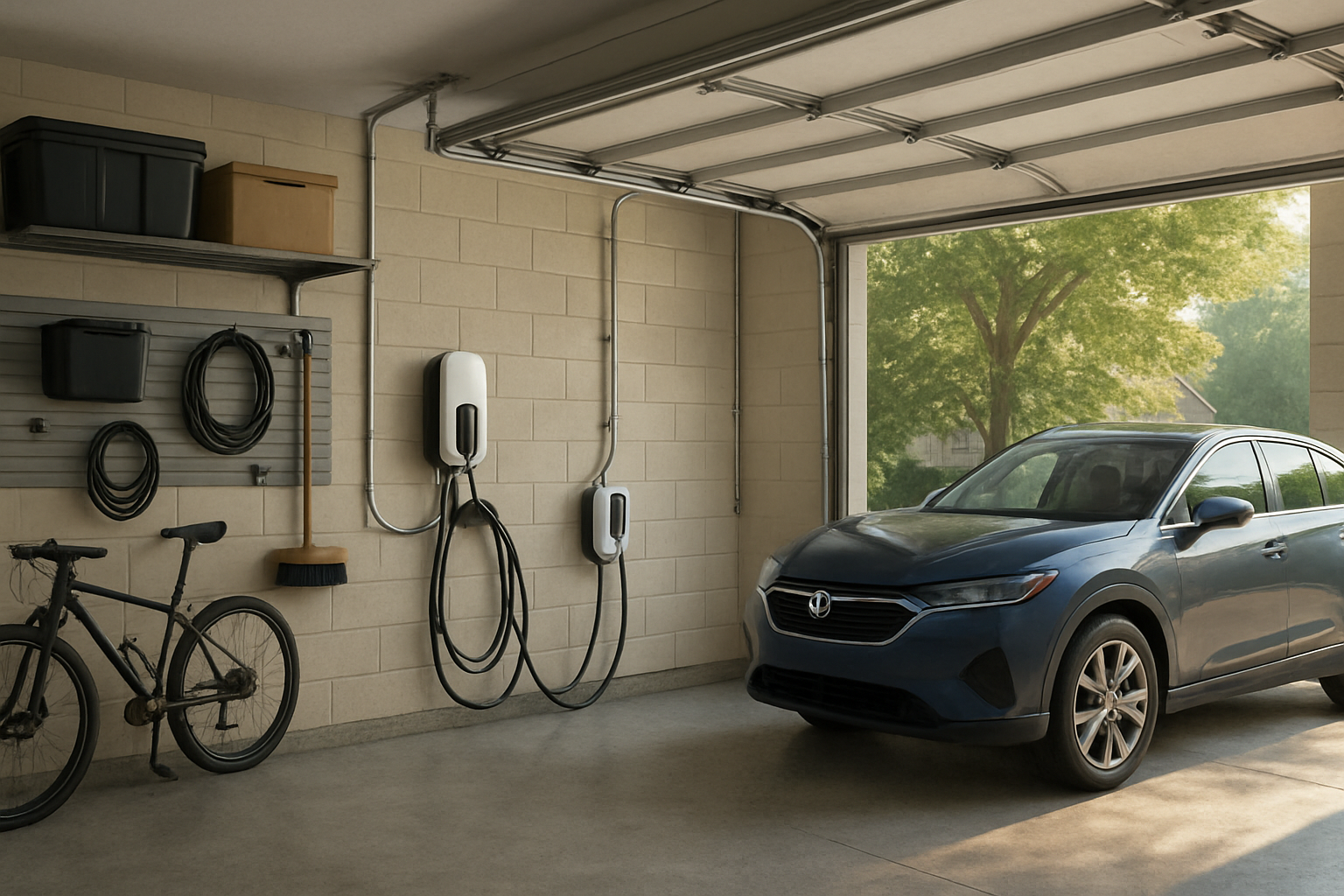
Next, we consider where the EV charger will be installed. In Libertyville, many homeowners prefer garage installations because they protect the charging equipment from rain, snow, and ice. However, outdoor charging stations are also common and can work very well when the correct equipment and weatherproof installation methods are used.
We will look at the distance from your electrical panel to your preferred charging location. The farther the charger is from the panel, the more wiring and labor may be required. September is a comfortable month for this type of project because we can often complete garage or exterior work before colder weather makes outdoor projects more difficult.
Important location factors include:
- Whether the EV will be parked inside the garage or outside in the driveway.
- The distance from the panel to the charger location.
- Wall space for mounting the charger.
- Protection from vehicle impact, moisture, and snow buildup.
- Convenient cord reach to the vehicle’s charging port.
Sign #3: Your Current Electrical Usage Leaves Room for an EV Charger
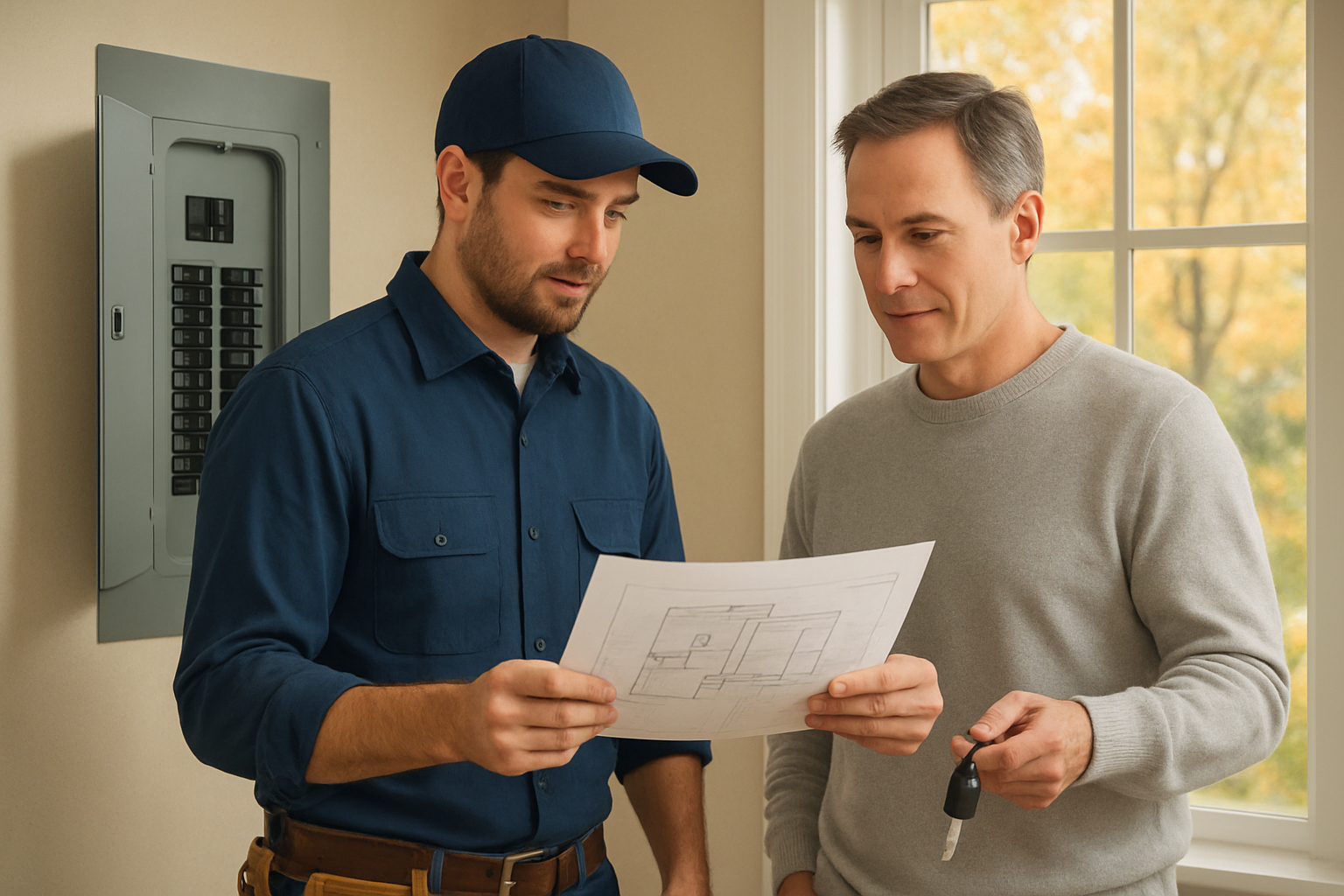
Even if your panel has open breaker spaces, that does not automatically mean your home is ready. A proper load calculation is important. This helps determine how much electricity your home is already using and whether your system can safely handle the additional demand of an EV charger.
Think of your electrical system like a road. If the road already has heavy traffic from appliances, HVAC equipment, lighting, and electronics, adding an EV charger without planning can cause overload issues. A professional electrician can determine whether your system has enough capacity or whether adjustments are needed.
“We thought installing an EV charger would be as simple as buying one online, but Scott Nelson Electric Inc showed us that our panel needed a proper evaluation first. The installation was clean, professional, and gave us peace of mind before winter.”
— Libertyville homeowner and EV owner
Sign #4: Your Home Has Safe, Updated Wiring
EV chargers draw a significant amount of power for several hours at a time. That is why wiring quality matters. Older wiring, improper previous repairs, overloaded circuits, or outdated equipment can create safety risks.
During an EV charger evaluation, we inspect the relevant parts of your electrical system and look for concerns such as:
- Loose or outdated connections.
- Improperly sized wiring.
- Old electrical panels or subpanels.
- Signs of overheating.
- Previous DIY electrical work that may not meet current standards.
September is a smart time for this inspection because homeowners are often preparing for increased indoor electrical use. As daylight gets shorter and temperatures drop, your home may rely more on lighting, heating systems, space heaters, sump pumps, and garage equipment. Making sure your electrical system is safe now can help prevent problems later.
Sign #5: You Have Chosen the Right Charger for Your Vehicle and Lifestyle
Not every EV charger is the same. Some homeowners need the fastest practical charging option available, while others only need enough charging power to restore a daily commute overnight. The right choice depends on your vehicle, driving habits, electrical capacity, and budget.
Questions to ask before installation include:
- How many miles do you typically drive each day?
- Do you own one EV or plan to add a second EV in the future?
- Does your vehicle require a specific charger or plug type?
- Do you want smart charging features, Wi-Fi monitoring, or scheduling?
- Would you benefit from charging during off-peak utility hours?
At Scott Nelson Electric Inc, we can help you understand what type of charger makes sense for your home. We are not here to oversell equipment you do not need. Our goal is to install a safe, reliable charging solution that fits your life.
Why September Is a Great Time for EV Charger Installation in Libertyville
September weather in Libertyville gives homeowners a practical window for home improvements. The extreme heat of summer is usually behind us, but freezing temperatures, snow, and icy driveways have not arrived yet. That makes it easier to schedule electrical work in garages, driveways, exterior walls, and utility areas.
Installing your EV charger in September also helps you prepare for the colder months ahead. EVs can experience reduced range in winter conditions, especially during very cold mornings. Having a dependable Level 2 charger at home helps you start each day fully charged, which is especially helpful before holiday travel, school commutes, and winter errands.
Why Choose Scott Nelson Electric Inc?
When you are adding an EV charger to your home, this is not the place to cut corners. A charger installation involves high electrical demand, code considerations, and long-term safety. Choosing the right electrician matters.
Scott Nelson Electric Inc is based right here in Libertyville, IL. We understand the homes, neighborhoods, weather, and electrical needs of the area. Whether you live in an older Libertyville home with a panel that may need evaluation or a newer home ready for a straightforward charger installation, we approach the job with care and professionalism.
Customers choose Scott Nelson Electric Inc because we provide:
- Local knowledge of Libertyville homes and electrical systems.
- Careful assessment before installation.
- Clean, organized workmanship.
- Clear communication from start to finish.
- Solutions designed around your home, vehicle, and budget.
- A focus on safety, reliability, and long-term performance.
We take pride in doing the job correctly. That means checking your panel, confirming circuit requirements, helping with charger placement, and making sure the final installation is safe and convenient to use.
Do You Need a Panel Upgrade Before Installing an EV Charger?
Some homes are ready for EV charger installation right away. Others need improvements first. If your home has an older 100-amp panel, limited breaker space, or high existing electrical demand, a panel upgrade may be recommended.
A panel upgrade can provide several benefits beyond EV charging. It may improve your home’s ability to support modern appliances, future renovations, workshop tools, HVAC equipment, or additional electrical circuits. If you are thinking about long-term home value, a properly upgraded electrical system can be a smart investment.
The only way to know for sure is to schedule an electrical assessment. We can evaluate your current service and explain your options clearly.
Get Your Libertyville Home EV-Ready This Fall
If you are wondering whether your home is ready for an EV charger installation, September is the perfect time to find out. The weather is still cooperative, winter is approaching, and having reliable home charging can make EV ownership much easier.
At Scott Nelson Electric Inc, we are proud to serve Libertyville homeowners with dependable electrical services and professional EV charger installations. We will help you determine whether your panel, wiring, and charging location are ready—and if upgrades are needed, we will walk you through the process.
Ready to install an EV charger at your Libertyville home? Contact Scott Nelson Electric Inc today to schedule an evaluation and get your home prepared for convenient, reliable EV charging.
